Comparing Digital vs. Traditional Art: Which Medium is Right for You?

Understanding the Basics
Artists today have a plethora of tools at their disposal, ranging from traditional mediums like paint and canvas to cutting-edge digital platforms. Both digital and traditional art have their unique advantages and characteristics, making the choice between them a matter of personal preference and intended outcome.
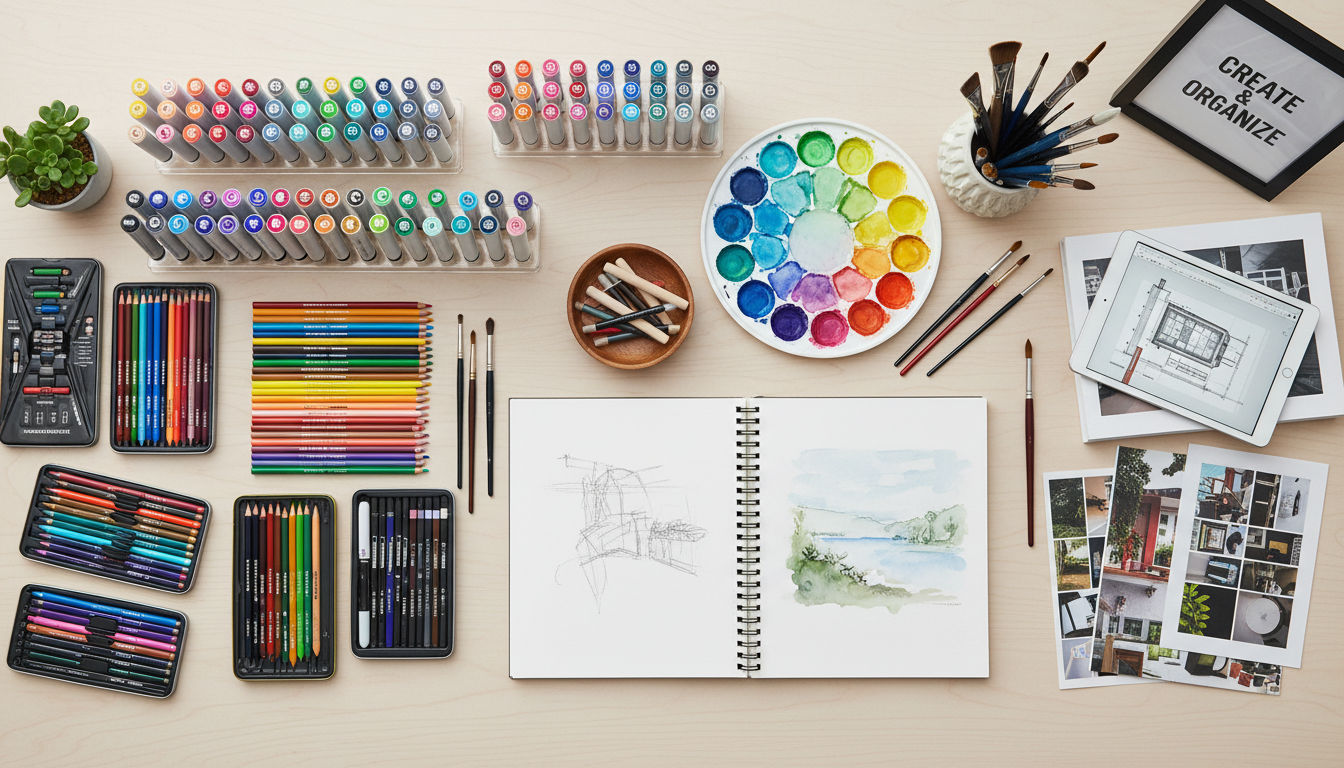
Traditional art involves creating with physical materials such as paints, pencils, and canvas. It is tangible and often appreciated for its tactile qualities. Digital art, on the other hand, is created using computers and software, offering a diverse array of tools and effects that aren't possible in the physical world.
Exploring Traditional Art
Traditional art is deeply rooted in history and culture. The texture, feel, and even the smell of materials can add a sensory dimension to the creative process. Artists who enjoy working with their hands and appreciate the unpredictability of physical media often gravitate toward traditional methods.
Some benefits of traditional art include:
- Tactile Experience: The physical interaction with materials.
- Unique Outcome: Each piece is one-of-a-kind.
- Historical Value: A rich tradition of techniques and styles.

Diving into Digital Art
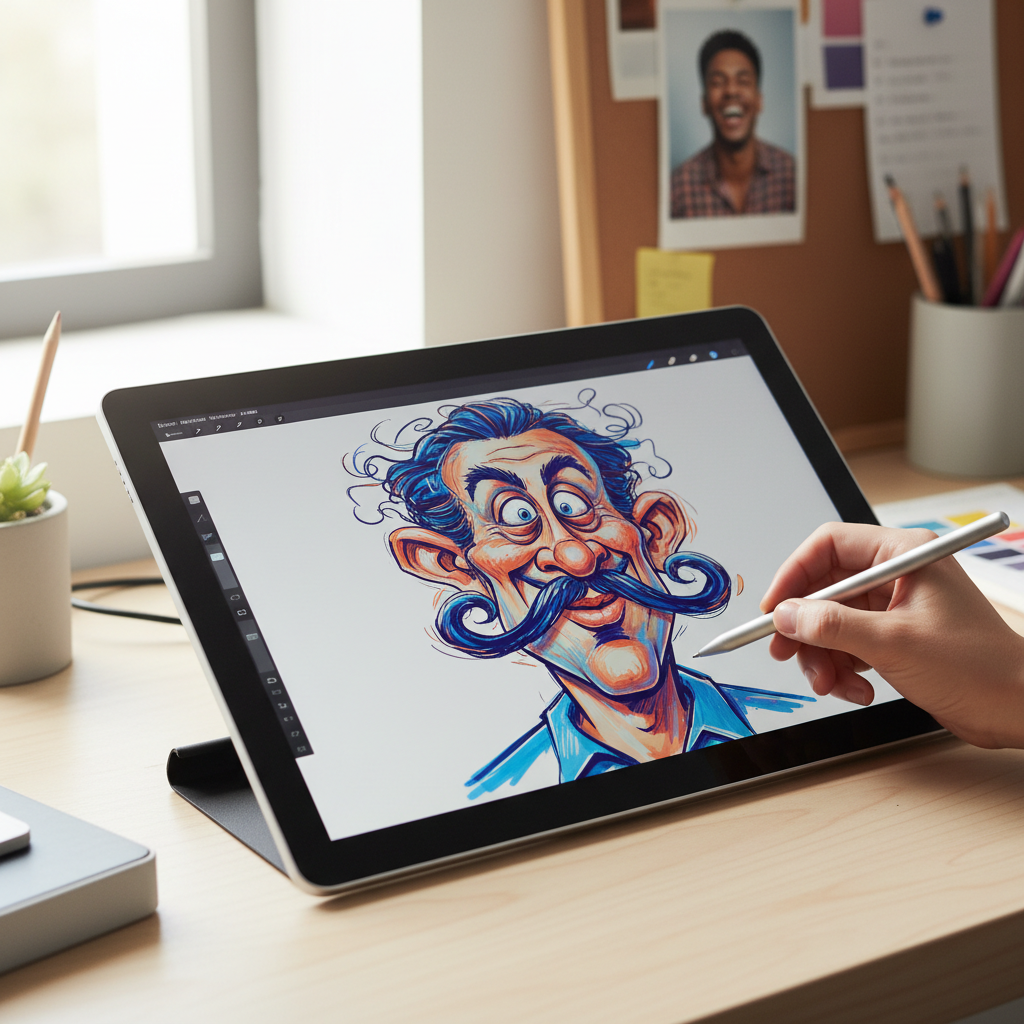
Digital art offers flexibility and convenience, appealing to those who want to experiment without the constraints of physical materials. With the advent of tablets and advanced software, artists can create intricate designs with ease, undo mistakes, and explore a vast array of styles.
Advantages of digital art include:
- Unlimited Resources: Access to endless tools and colors.
- Easy Revisions: Mistakes can be undone with a click.
- Shareability: Effortlessly share and distribute creations online.
Cost Considerations
One of the most significant factors to consider is cost. Traditional art can become expensive due to the ongoing need for supplies like paints, brushes, and canvases. Conversely, digital art requires an initial investment in technology, such as a tablet and software, but has minimal ongoing costs.
Consider your budget and long-term goals when choosing a medium. While traditional art might incur recurring expenses, digital art's initial setup can be a hurdle for some.
Choosing the Right Medium for You
Your choice between digital and traditional art should align with your personal interests, goals, and workflow. If you cherish the physicality of creating art and enjoy the tactile experience, traditional methods might be more satisfying. If you value flexibility and the ability to experiment without limits, digital art could be a better fit.
Ultimately, many artists find value in blending both mediums. Trying out each can help you discover your preferences and perhaps even lead to a combination of both worlds in your artistic journey.