
Exploring the Benefits of Art Therapy for Mental Wellness

Understanding Art Therapy
Art therapy is a unique form of therapy that combines the creative process with psychological healing. By using visual arts such as painting, drawing, and sculpture, individuals can explore their emotions, develop self-awareness, and cope with stress. This therapeutic approach is effective for people of all ages and backgrounds, providing a non-verbal outlet for expression.
Unlike traditional therapy, art therapy allows individuals to communicate their feelings through creativity rather than words. This can be particularly beneficial for those who find verbal communication challenging. The focus is not on creating a masterpiece but on the process of creation itself.
The Benefits of Art Therapy
Emotional Release
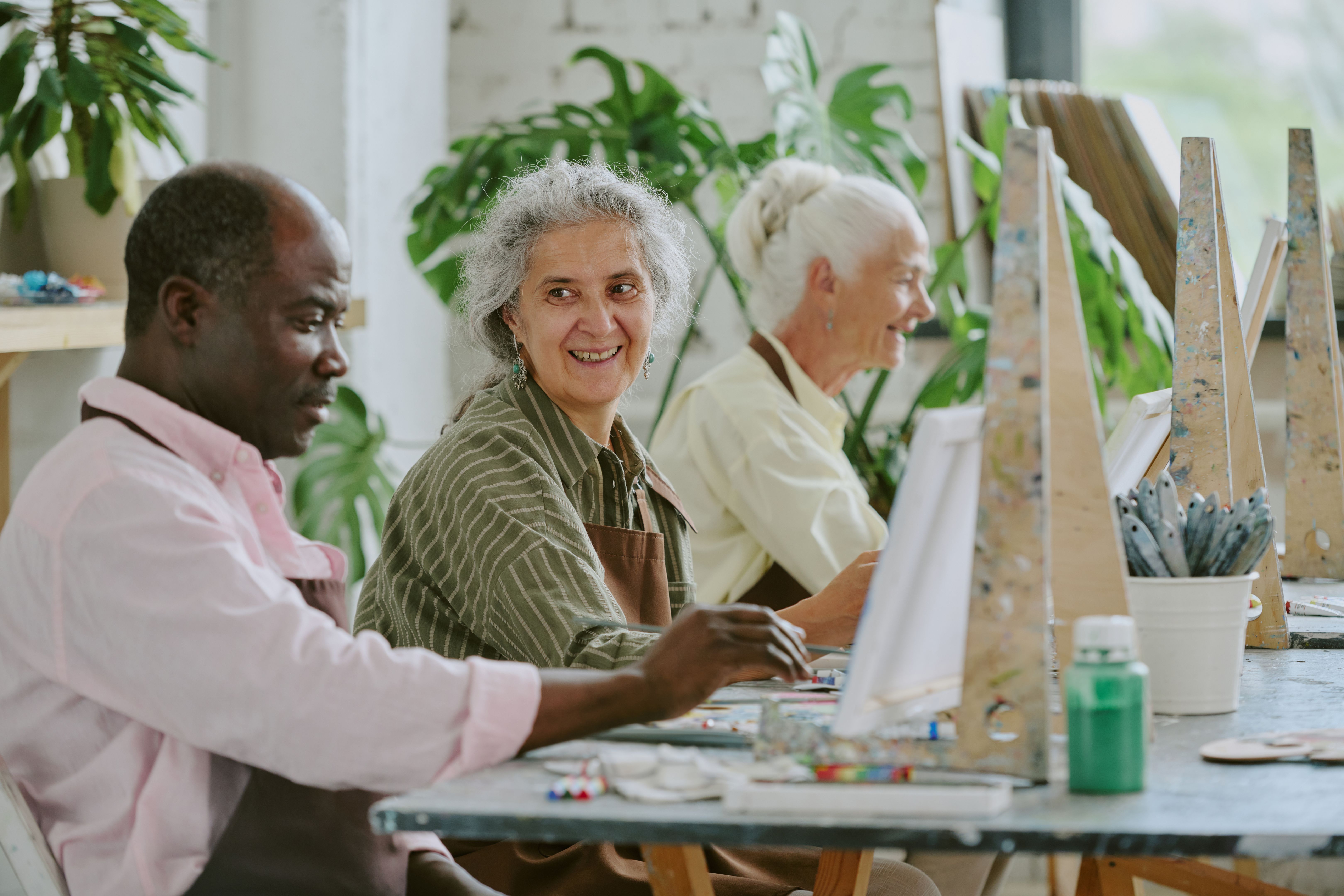
One of the primary benefits of art therapy is emotional release. Engaging in creative activities can help individuals express emotions that may be difficult to articulate. This expression can lead to a sense of relief and a reduction in feelings of anxiety and depression. By externalizing emotions, individuals can better understand and manage them.
Enhanced Self-Understanding
Art therapy encourages self-reflection and introspection. As individuals create art, they often gain insights into their thoughts and behaviors. This self-exploration can lead to improved self-esteem and a deeper understanding of one's identity. Art becomes a mirror reflecting the inner self, unveiling strengths and challenges.
Applications in Mental Health
Stress Reduction
Engaging in art therapy can be a meditative experience, promoting relaxation and stress reduction. The repetitive motions involved in activities like drawing or painting can have a calming effect on the mind, similar to meditation. This can lead to a decrease in cortisol levels, helping to alleviate stress and improve overall wellness.
Building Coping Skills
Art therapy provides individuals with a safe space to experiment and take risks without fear of judgment. This can help build resilience and coping skills, essential for dealing with life's challenges. Through art, individuals learn to approach problems creatively, enhancing their problem-solving abilities.
Who Can Benefit from Art Therapy?
Art therapy is suitable for people of all ages, from children to seniors. It is particularly beneficial for those experiencing trauma, anxiety, depression, or chronic illness. Children, in particular, can benefit from art therapy as it offers a way to express feelings they may not yet fully understand or articulate verbally.
Moreover, art therapy can be used in various settings, including hospitals, schools, and community centers. Its versatility makes it an accessible and valuable tool for promoting mental wellness across diverse populations.
Conclusion
Art therapy is a powerful tool for enhancing mental wellness. By providing a means of expression beyond words, it helps individuals explore their emotions, reduce stress, and develop coping skills. Whether used independently or alongside traditional therapy, art therapy can contribute significantly to mental health and well-being.