
Exploring the Role of Technology in Modern Art: Insights from Phoenix


The Intersection of Technology and Art
Technology has revolutionized various sectors, and the art world is no exception. In Phoenix, a city known for its vibrant art scene, technology is playing a crucial role in shaping modern art. This intersection is not just transforming how art is created but also how it is experienced by audiences.
Artists are now able to explore new mediums and methods, thanks to technological advancements. From digital painting software to 3D printing, artists have a plethora of tools at their disposal. This has opened up limitless possibilities for creativity and expression, allowing artists to push the boundaries of traditional art forms.
Digital Art and its Impact
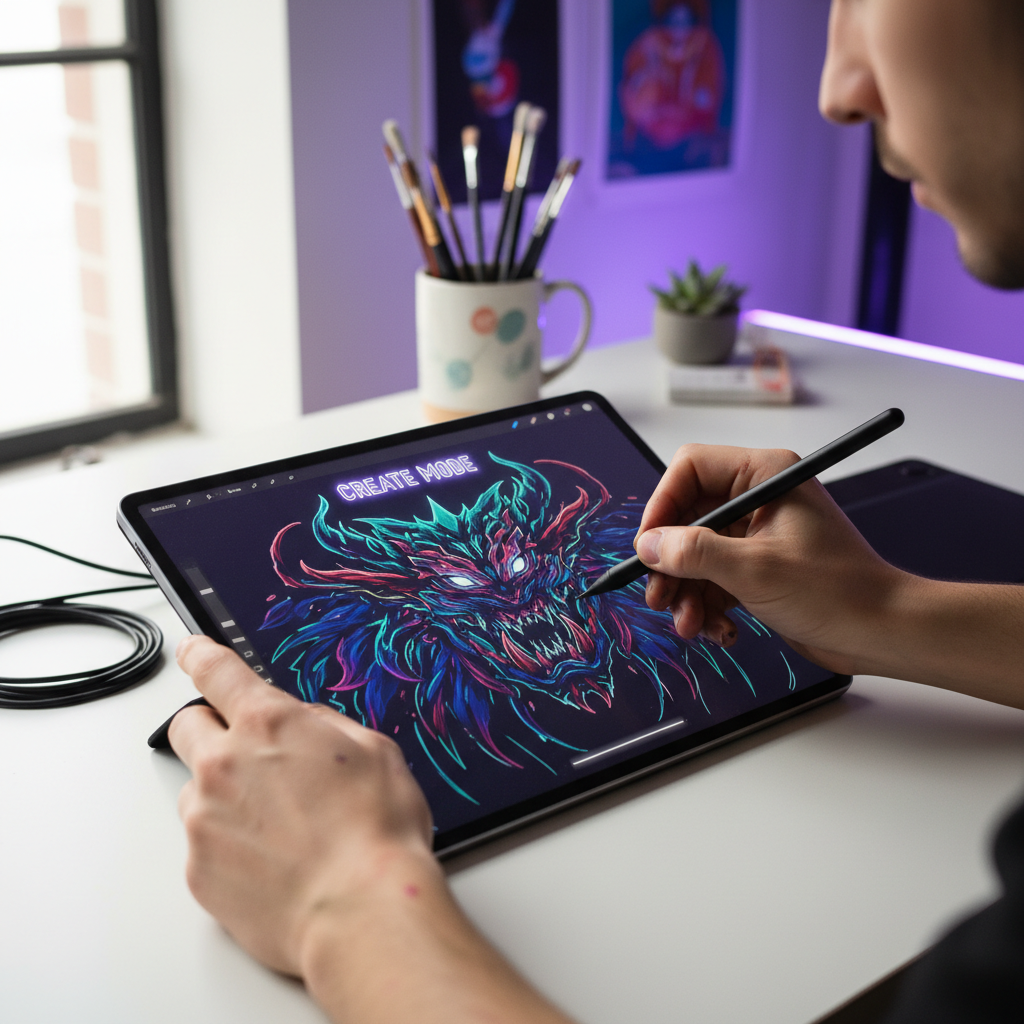
Digital art is perhaps the most significant outcome of this technological revolution. Artists in Phoenix are increasingly embracing digital platforms to create stunning visual art pieces. Software programs like Adobe Photoshop and Corel Painter have become essential tools for modern artists, enabling them to create intricate designs and compositions.
Moreover, the rise of NFTs (Non-Fungible Tokens) has further transformed the art landscape. Artists can now tokenize their digital artwork, providing proof of ownership and authenticity. This innovation is offering new revenue streams and redefining the concept of art ownership.
Interactive Installations
Interactive installations are another exciting development in the art world, made possible by technology. These installations often incorporate elements like motion sensors, virtual reality, and augmented reality to create immersive experiences for audiences. In Phoenix, several exhibitions have successfully integrated these technologies, allowing visitors to engage with art in a dynamic way.

Such interactive experiences not only enhance viewer engagement but also encourage participation, making art more accessible and inclusive. This approach is particularly appealing to younger audiences who are accustomed to technology in their everyday lives.
The Role of Technology in Art Preservation
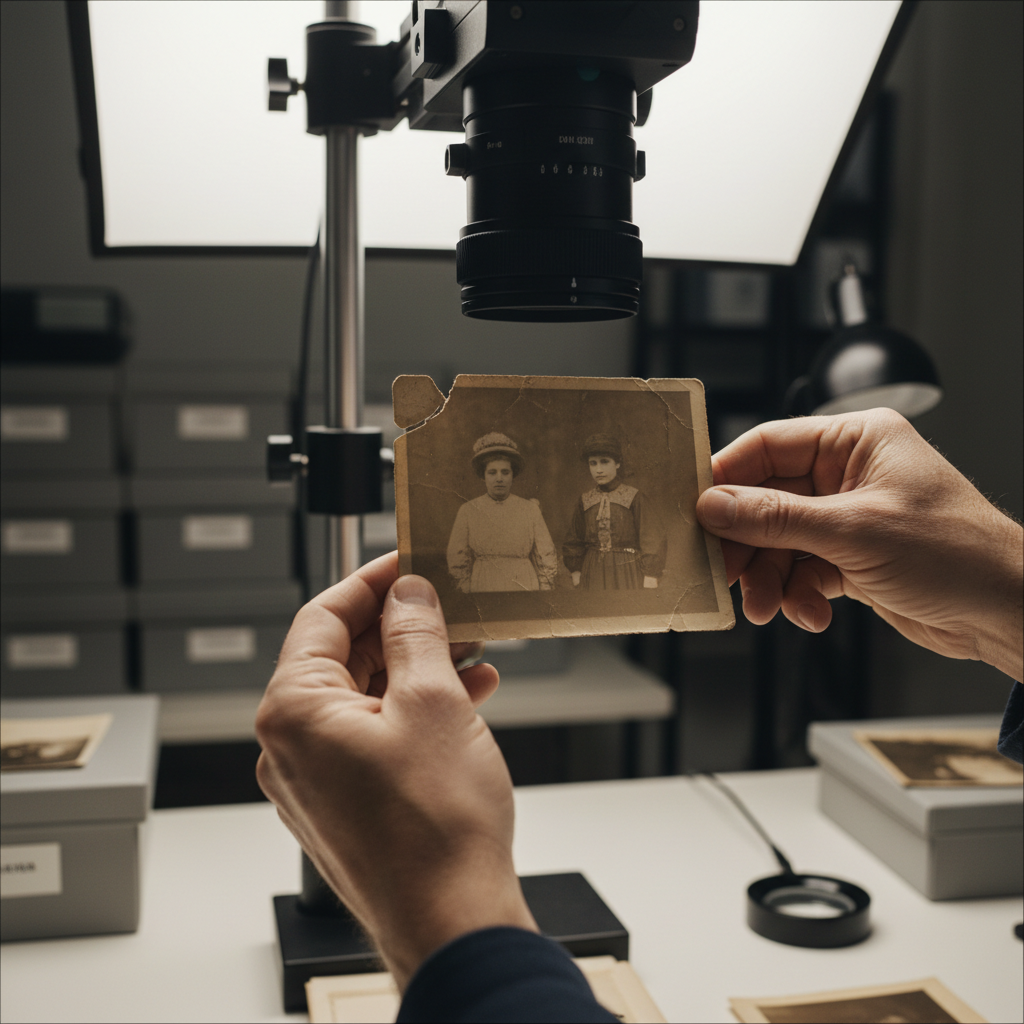
Beyond creation, technology also plays a vital role in the preservation and restoration of art. High-resolution scanning and 3D modeling are used to document and preserve artworks, ensuring they can be enjoyed by future generations. These technologies are particularly valuable in Phoenix, where preserving cultural heritage is of utmost importance.
Additionally, virtual museums and online galleries are becoming more prevalent, offering access to art collections from anywhere in the world. This digital transformation allows people to experience art without geographical limitations, broadening the reach of Phoenix's art scene.
The Future of Art in Phoenix
As technology continues to evolve, so too will its influence on art. The future holds endless possibilities, from AI-generated art to holographic displays, each offering new ways to engage with and appreciate art. Phoenix is at the forefront of this movement, embracing innovation while preserving its rich artistic heritage.
In conclusion, technology is not just a tool but a catalyst for change in the art world. It is enriching the creative process, enhancing audience interaction, and ensuring the longevity of art. As we look to the future, the synergy between technology and art promises to shape the cultural landscape in exciting and unexpected ways.