
Myths About Being an Artist: Debunking Common Misconceptions

Introduction
Being an artist is often surrounded by a multitude of myths and misconceptions. These notions can deter aspiring artists and skew public perception. In this blog post, we'll debunk some of the most common misconceptions about being an artist, offering a clearer understanding of what it truly means to pursue this creative path.
Myth: Artists Are Born, Not Made
A common myth is that artistic talent is an innate gift. While some individuals may have a natural inclination towards creativity, artistic skills can be developed through practice and dedication. Just like any other profession, becoming proficient requires learning and perseverance. Many successful artists have honed their craft over years of hard work.
The Role of Education
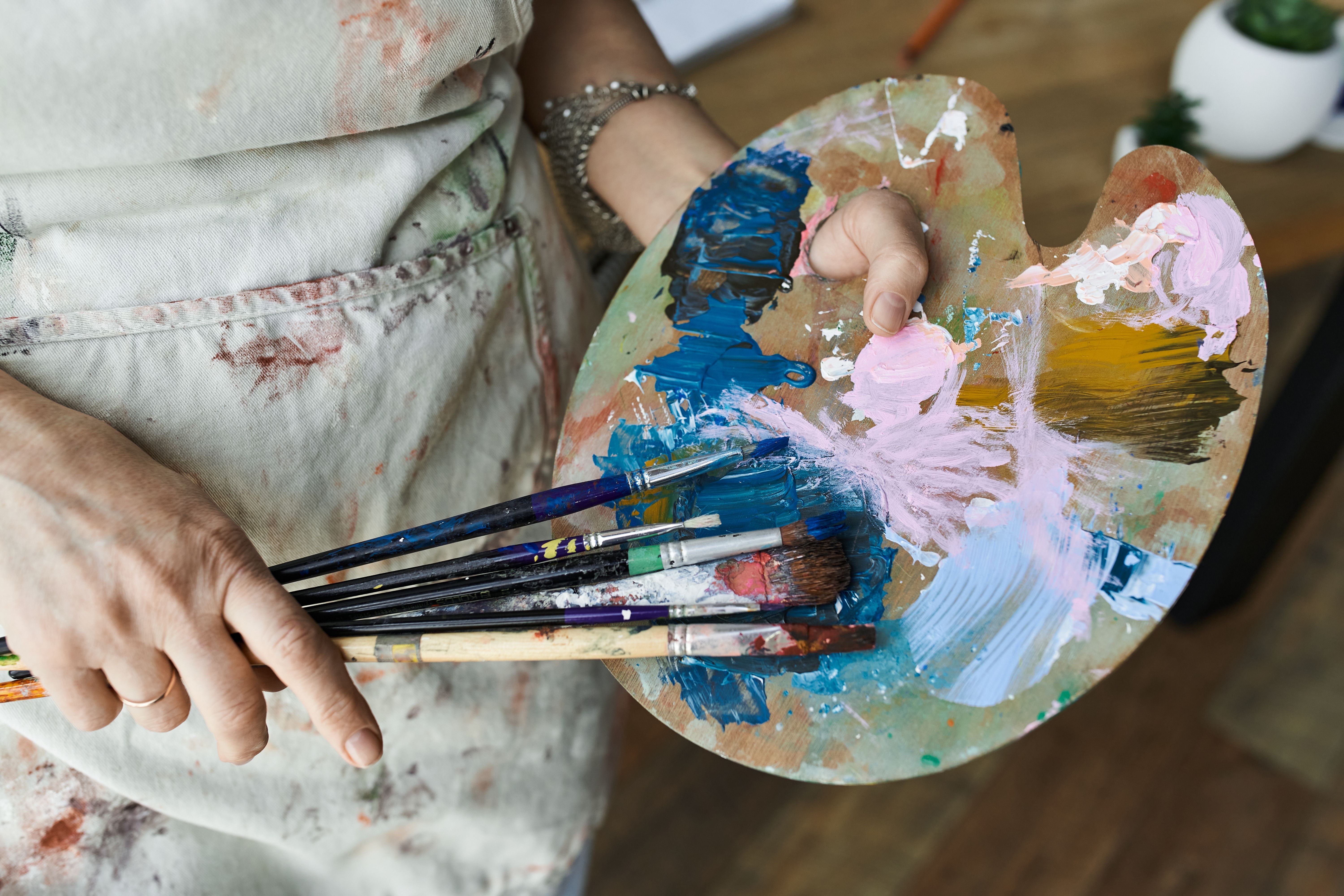
Education and mentorship play a significant role in nurturing artistic abilities. Art schools, workshops, and online courses offer valuable resources for artists to grow their skills. These platforms provide techniques and insights that can elevate an artist's work, proving that dedication can often outperform innate talent.
Myth: Artists Struggle Financially
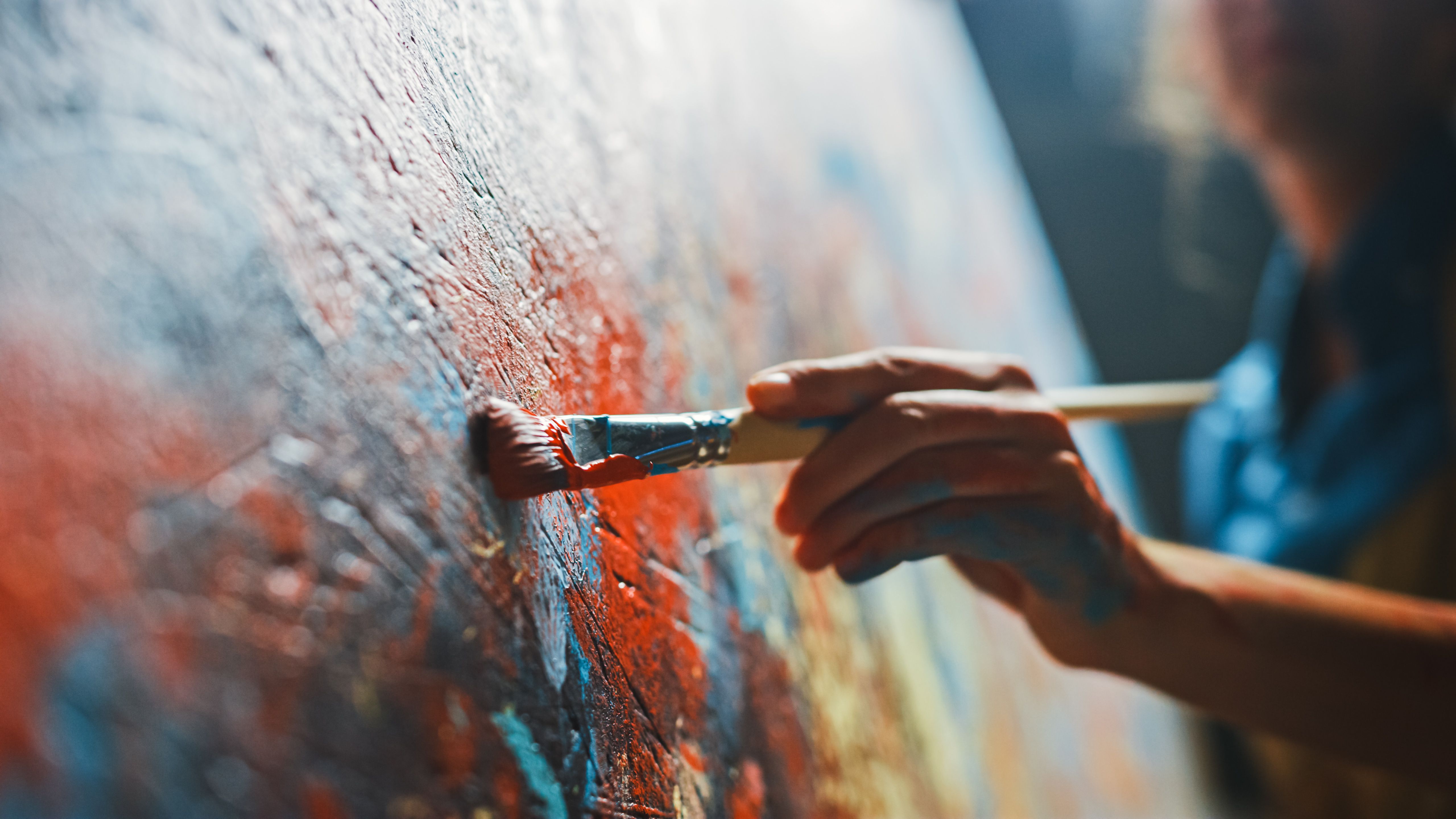
Another widespread misconception is that artists live in poverty. While some artists may face financial challenges, many find success and stability in their careers. The art world offers diverse opportunities, from commercial art and graphic design to teaching and commissioned projects.
Diverse Income Streams
Today, artists have the ability to generate income through various streams:
- Selling original artwork and prints
- Offering online courses and workshops
- Engaging in freelance projects
- Licensing artwork for merchandise
With the right strategies and persistence, artists can create sustainable and thriving careers.
Myth: Art Is Just a Hobby
Art is often dismissed as a mere pastime rather than a legitimate profession. However, art plays a crucial role in society, influencing culture, sparking social change, and providing therapeutic benefits. Many artists dedicate their lives to their craft, contributing significantly to the cultural and economic landscape.
The Impact of Art
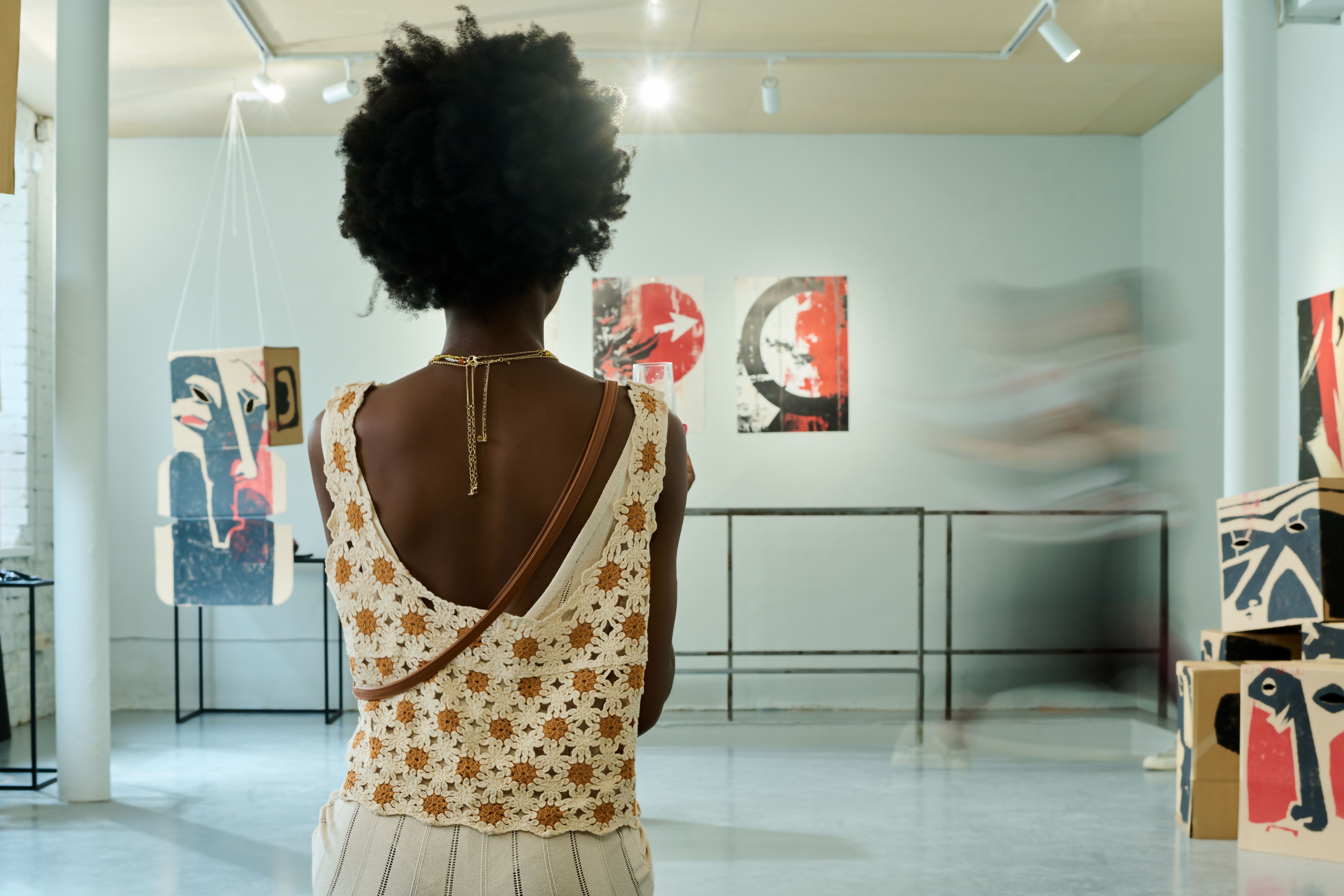
Art has the power to evoke emotions, challenge perceptions, and inspire action. It enriches communities, enhances environments, and is a vital part of education. Recognizing art as a serious profession helps to appreciate the dedication and skill required to create impactful work.
Conclusion
Debunking these myths about being an artist helps to foster a more accurate and respectful understanding of the profession. By acknowledging the dedication, skill, and diverse opportunities available, we can support and celebrate the invaluable contributions artists make to society. Whether you are an aspiring artist or an art enthusiast, embracing the realities of being an artist can lead to a deeper appreciation for the creative world.