The Benefits of Art Therapy: Creative Expression for Wellbeing

Understanding Art Therapy
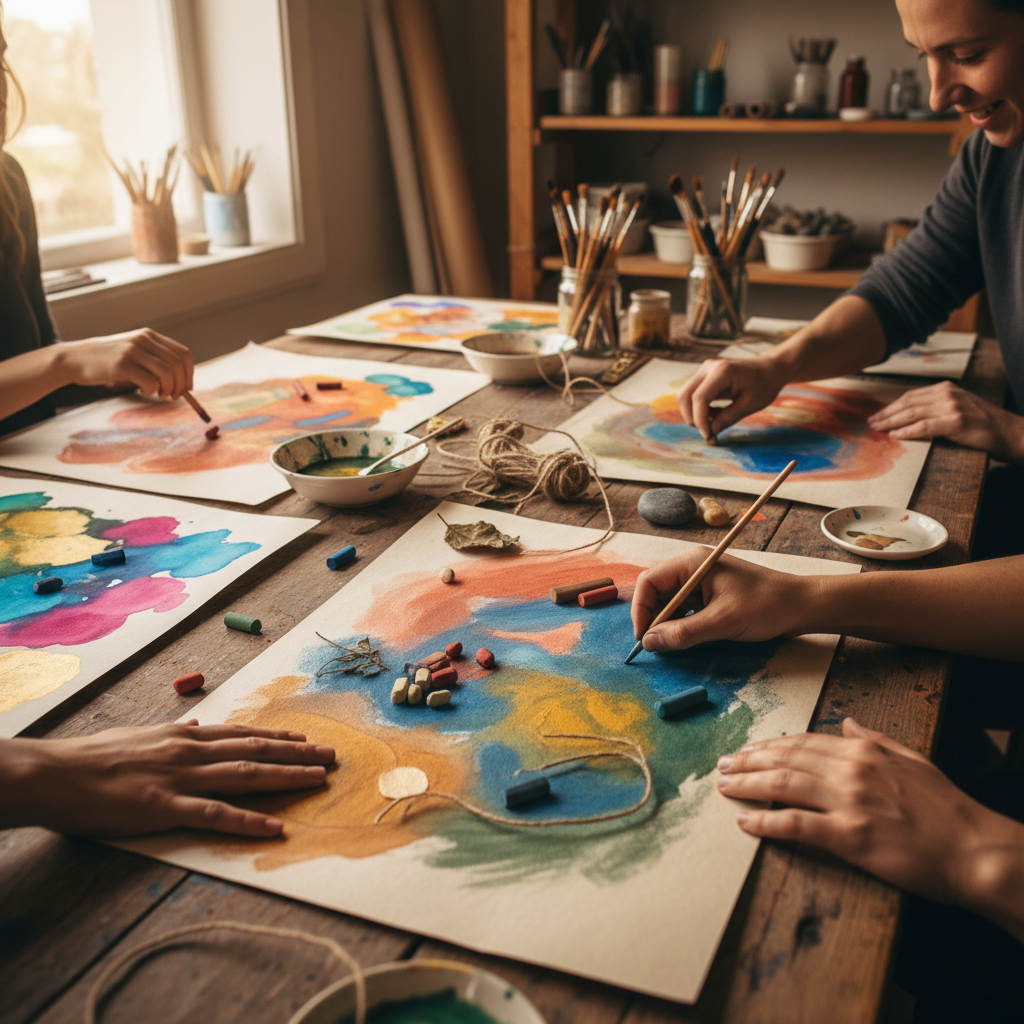
Art therapy is a form of therapy that integrates visual arts into the therapeutic process. It provides individuals with a way to express emotions, thoughts, and experiences through creative expression. This type of therapy can be particularly beneficial for those who find it difficult to articulate their feelings verbally.
By using art as a medium, individuals can explore their inner world and gain insights into their emotional wellbeing. Art therapy is not about creating a masterpiece; rather, it's about the process of creation and the personal insights gained along the way.
Emotional Benefits
One of the primary benefits of art therapy is its ability to help individuals manage and express their emotions. Engaging in creative activities can be a powerful way to release pent-up emotions, reduce stress, and improve mood. This form of expression allows people to explore complex feelings in a safe and supportive environment.
Art therapy can be particularly beneficial for individuals dealing with trauma, anxiety, and depression. By visualizing their experiences, they can start to process and make sense of their emotions, leading to improved emotional health.
Enhancing Self-Awareness
Art therapy encourages self-exploration and self-awareness. As individuals create art, they often gain a deeper understanding of themselves and their personal narratives. This increased self-awareness can lead to personal growth and a stronger sense of identity.
Through the creative process, individuals can uncover hidden thoughts and patterns that may be influencing their behavior. This newfound understanding can lead to positive changes and a more fulfilling life.
Improving Cognitive Function
Engaging in art therapy can also enhance cognitive abilities. Activities such as drawing, painting, and sculpting stimulate brain function, improve problem-solving skills, and boost memory. These cognitive benefits can be particularly advantageous for older adults or individuals recovering from brain injuries.
Building Social Connections
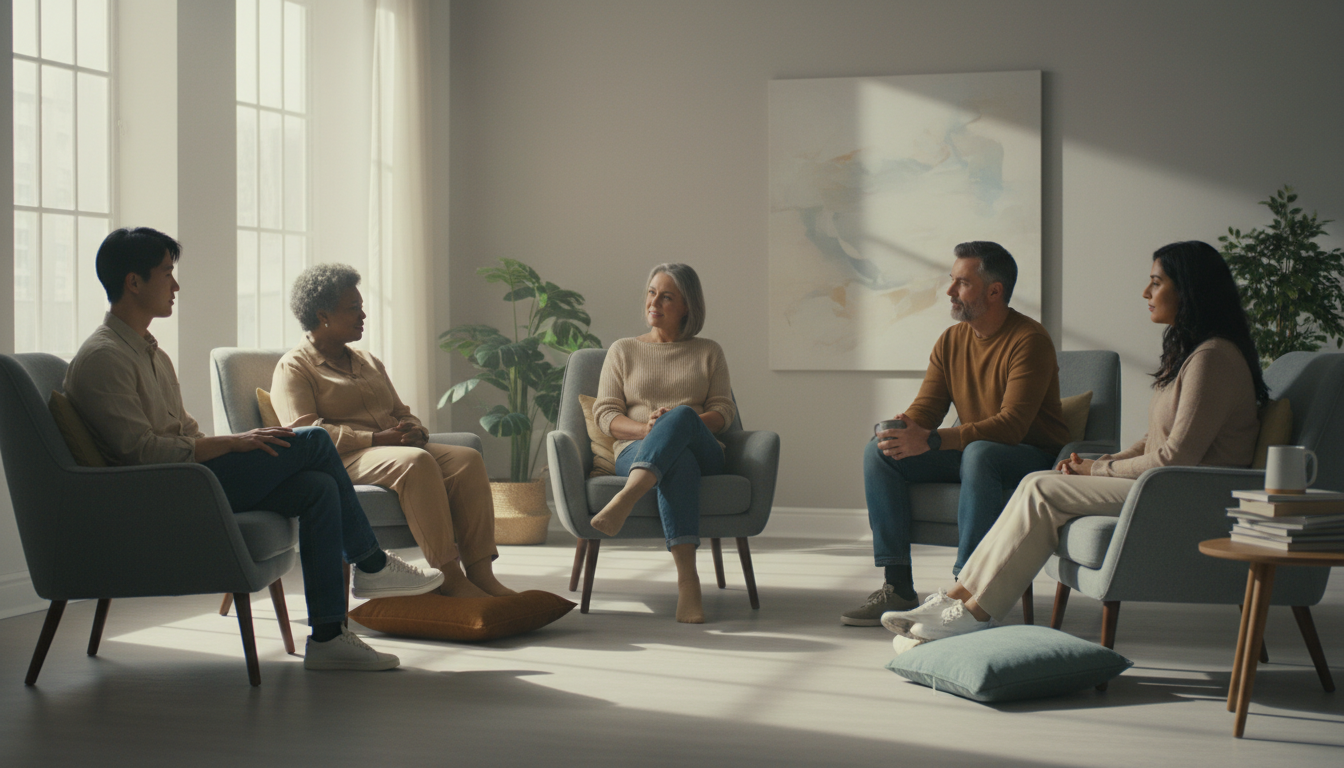
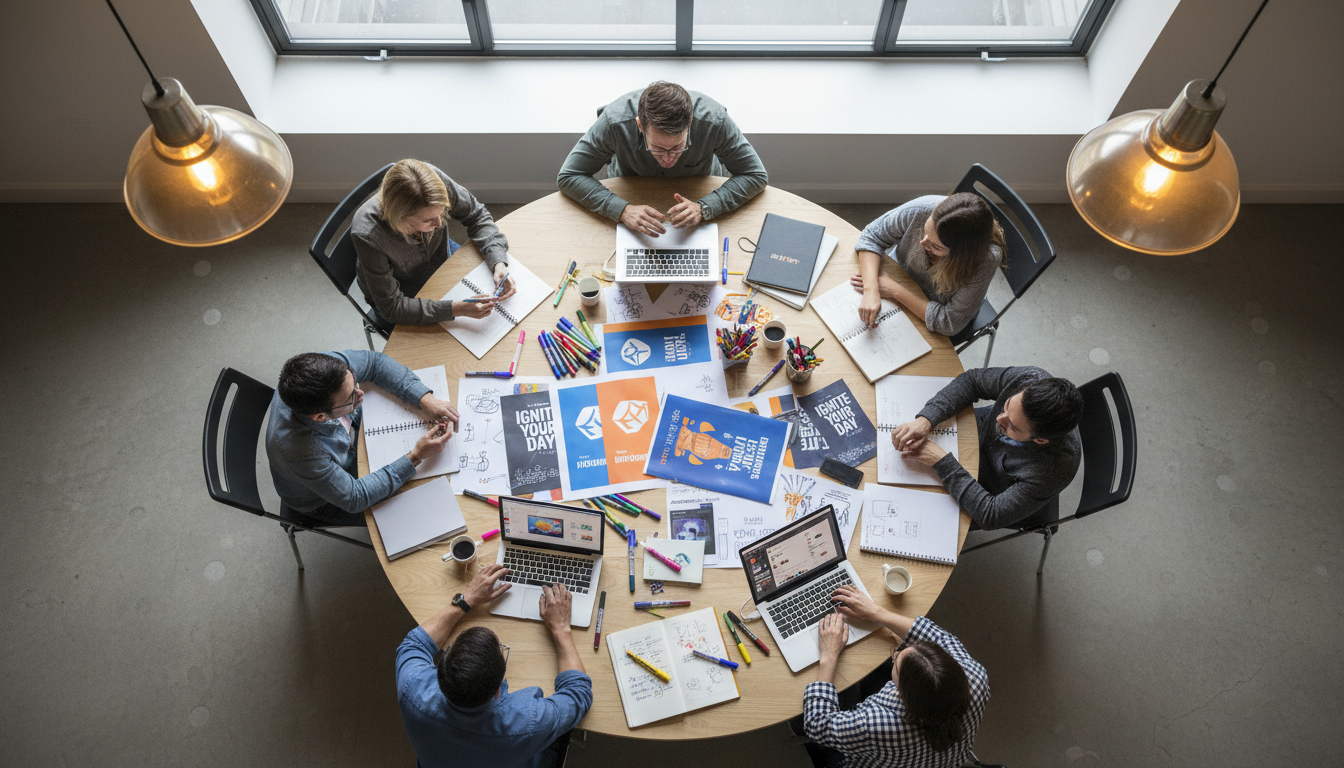
Art therapy can be conducted in both individual and group settings. In group sessions, participants have the opportunity to share their creations and experiences with others. This sharing fosters a sense of community and connection, which can be incredibly healing.
Building these social connections can reduce feelings of isolation and loneliness, offering support and understanding from others who may be experiencing similar challenges.
Fostering Resilience and Coping Skills
Through art therapy, individuals can develop resilience and effective coping skills. The creative process encourages experimentation, problem-solving, and adaptability. These skills are transferable to everyday life, helping individuals navigate challenges more effectively and with greater confidence.
Art therapy also provides a non-threatening way to confront and overcome personal obstacles, building resilience that can be applied to various life situations.