
The Benefits of Art Therapy for Mental Health

Understanding Art Therapy
Art therapy is a powerful tool that combines the creative process with psychological theory to improve mental health. By encouraging individuals to express themselves through art, this therapeutic approach can help uncover emotions and promote healing. It is used in various settings, from hospitals to private practices, and has proven effective for people of all ages.
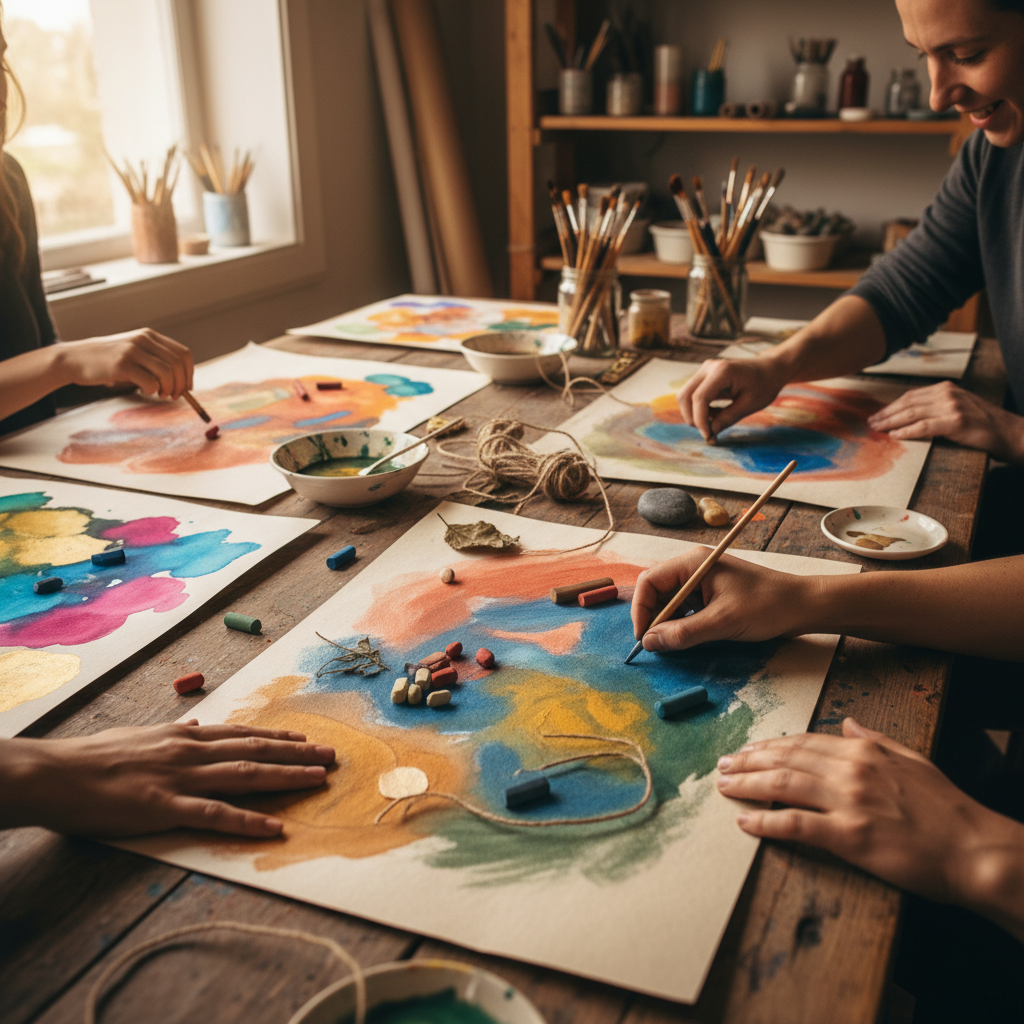
Unlike traditional talk therapy, art therapy allows individuals to explore their emotions through visual expression. This can be particularly beneficial for those who find it challenging to articulate their feelings verbally. The process of creating art can lead to self-discovery and provide a sense of relief and accomplishment.
Emotional Release and Self-Expression
One of the primary benefits of art therapy is its ability to facilitate emotional release. Through art, individuals can express emotions that may be too difficult to convey in words. This form of expression can help reduce anxiety and depression, providing a safe outlet for feelings.
Art therapy also encourages self-expression. By creating art, individuals can explore their identities and gain insight into their thoughts and behaviors. This increased self-awareness can lead to personal growth and improved mental health.
Stress Reduction and Relaxation
Engaging in art therapy can be a relaxing and stress-reducing activity. The act of focusing on creating art can lead to a meditative state, helping to calm the mind and reduce stress levels. This can be particularly beneficial for individuals dealing with high levels of stress or anxiety.
Moreover, art therapy provides an opportunity for mindfulness. By concentrating on the present moment and the creative process, individuals can experience a break from their daily worries and stressors.
Boosting Self-Esteem and Confidence
Creating art can significantly boost self-esteem and confidence. Completing an art project provides a tangible representation of one’s abilities, fostering a sense of achievement and pride. This can be incredibly empowering, especially for those struggling with self-worth issues.
Additionally, art therapy can help individuals set and achieve personal goals, further enhancing their confidence. The skills learned and developed through art therapy can be applied to other areas of life, promoting overall well-being.

Improving Cognitive and Motor Skills
Art therapy not only benefits mental health but also enhances cognitive and motor skills. Engaging in art activities can improve concentration, problem-solving abilities, and hand-eye coordination. These skills are crucial for everyday functioning and can be particularly beneficial for those recovering from brain injuries or dealing with developmental disorders.
Furthermore, the creative process can stimulate brain function, encouraging new ways of thinking and enhancing overall cognitive health. This makes art therapy a valuable tool for individuals of all ages and cognitive abilities.

Conclusion: A Holistic Approach to Healing
Art therapy offers a holistic approach to mental health, addressing emotional, cognitive, and physical aspects of well-being. By facilitating self-expression, reducing stress, and boosting confidence, art therapy can significantly improve quality of life.
Whether used as a standalone treatment or in conjunction with other therapies, art therapy provides a unique and effective path to healing. It offers a creative outlet for emotions and a chance to explore the self, making it an invaluable resource for anyone seeking to improve their mental health.