
The Impact of Art on Mental Health: Creative Minds' Perspective

Introduction to Art and Mental Health
Art has long been a medium of expression, a way for individuals to communicate their deepest thoughts and emotions. In recent years, the connection between art and mental health has gained significant attention. Many studies suggest that engaging in creative activities can have profound effects on mental well-being.
The therapeutic potential of art lies in its ability to provide an outlet for self-expression, reduce stress, and improve overall mood. Whether through painting, music, or dance, creative expression helps individuals process their emotions and experiences in a healthy way.
Art as a Form of Expression
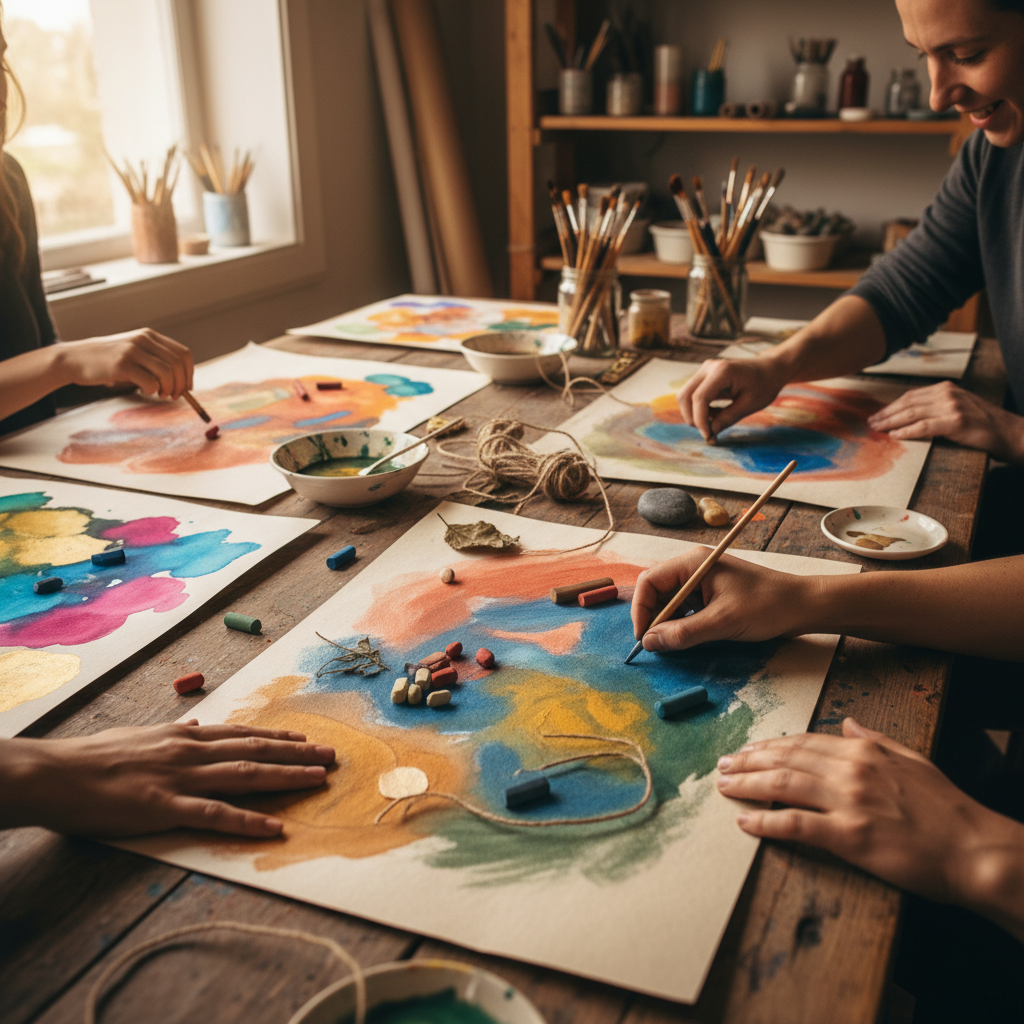
For many, art provides a safe space to explore emotions that might be difficult to articulate. It allows people to convey what they might not be able to say with words. This form of expression can be particularly beneficial for those suffering from anxiety or depression, offering a means to externalize their internal struggles.
Through the creation of art, individuals can gain a deeper understanding of their personal experiences. This journey of self-discovery can lead to improved self-esteem and a stronger sense of identity.
The Role of Art in Stress Reduction
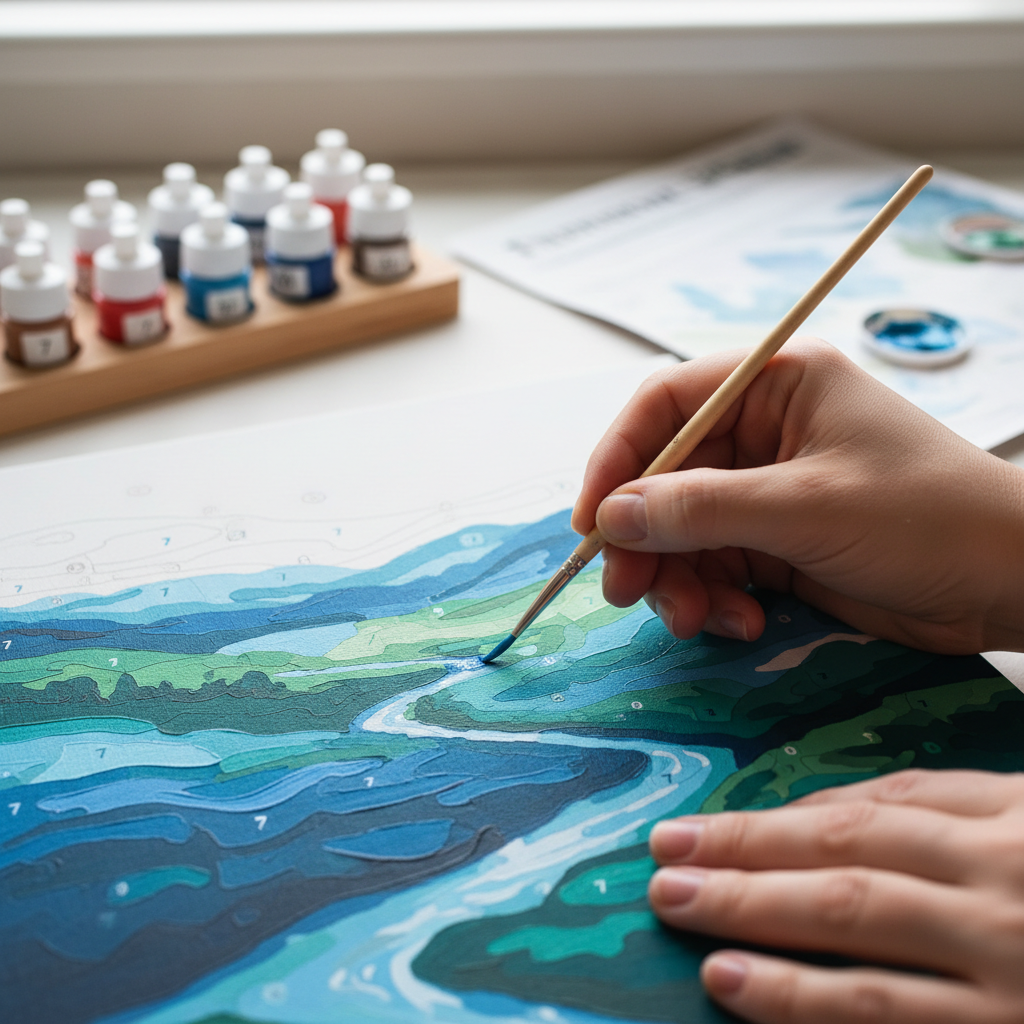
Engaging in creative activities can significantly reduce stress levels. The process of focusing on a creative task can act as a form of meditation, allowing the mind to relax and unwind. This can lead to a decrease in cortisol levels, the hormone associated with stress, and promote a sense of calmness.
Community and Connection Through Art
Art can also foster a sense of community and belonging. Participating in group art activities allows individuals to connect with others who share similar interests. This social interaction can be incredibly beneficial for mental health, reducing feelings of loneliness and isolation.
Art communities often provide a supportive environment where individuals can share their work and receive constructive feedback. This sense of belonging can empower individuals and encourage them to continue their creative pursuits.
Art Therapy: A Healing Modality
Art therapy is a recognized form of psychological treatment that utilizes artistic methods to improve mental health. Trained art therapists guide individuals through creative processes to help them express their emotions and resolve psychological conflicts.
Art therapy can be particularly effective for individuals dealing with trauma, as it allows them to process their experiences in a non-verbal way. This approach can lead to significant improvements in emotional and psychological well-being.
Conclusion: Embracing Creativity for Better Mental Health
Incorporating art into daily life can be a powerful tool for enhancing mental health. Whether through personal artistic endeavors or community-based projects, the benefits of engaging with art are numerous. By embracing creativity, individuals can find new ways to express themselves, reduce stress, and connect with others.
As the understanding of the link between art and mental health continues to grow, more people are recognizing the transformative power of creative expression. It is an invitation to explore, heal, and thrive.